
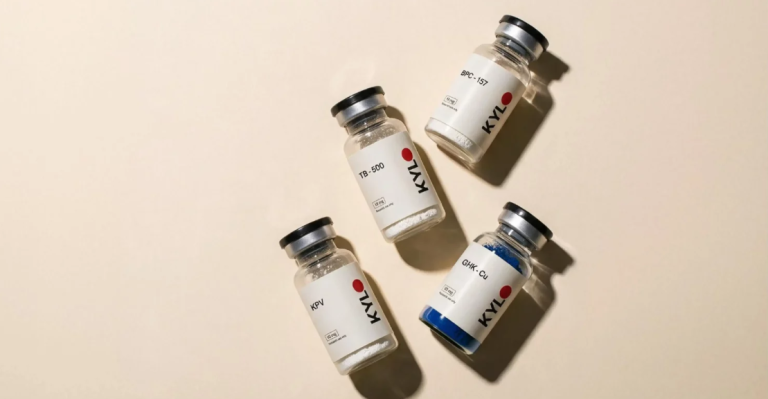
BPC-157, a pentadecapeptide derived from human gastric juice, has gained significant attention in recent years for its potential therapeutic benefits. It is primarily known for its regenerative and healing properties, particularly concerning muscle and tendon injuries. Despite the growing interest in BPC-157, one of the most common questions among users and researchers alike pertains to its appropriate dosage. Given that BPC-157 is not yet approved by major health authorities like the FDA for medical use, there remains a lack of standardized dosing guidelines. However, various studies and anecdotal evidence provide some insights into how this compound might be optimally utilized.
The available evidence on BPC-157 dosage largely comes from animal studies and user reports rather than large-scale clinical trials on humans. In rodent models, dosages typically range from 10 micrograms per kilogram to several milligrams per kilogram of body weight. These studies have demonstrated positive effects on wound healing, reduced inflammation, and improved recovery times without significant adverse effects at these doses.
Translating these findings to human usage requires careful consideration due to physiological differences between species. A common approach is using allometric scaling methods to adjust animal dosages for potential human application. This method suggests click here significantly lower doses for humans compared to those used in animal testing—often ranging from 200 micrograms to 1 milligram per day based on anecdotal reports within bodybuilding communities where BPC-157 usage is more prevalent.
It’s crucial to note that individual responses can vary widely with peptide therapies like BPC-157 due to factors such as body weight, age, metabolic rate, and overall health status. Therefore, starting with a lower dose while closely monitoring the body’s response before gradually increasing it may be advisable until desired outcomes are achieved without side effects.
Despite promising results in preliminary research settings regarding safety profiles at certain doses over short periods (typically up to four weeks), long-term data remains sparse. This gap underscores a critical need for further scientific investigation through well-designed clinical trials focused on establishing safe and effective dosage ranges across different population groups under varied conditions.